Boxed Mac and Cheese
Why? Potentially dangerous coloring agents
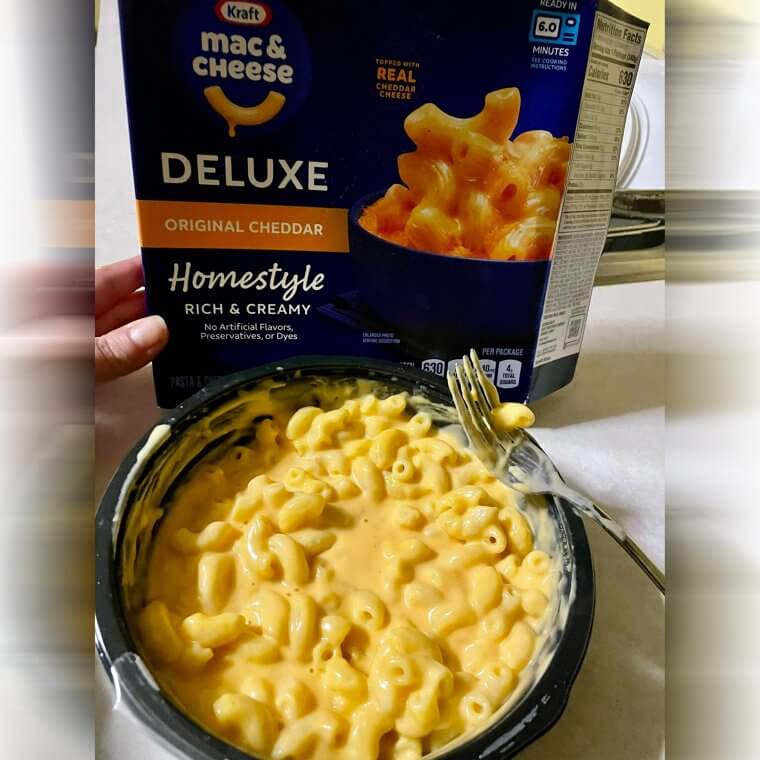
Is there anything better than a delicious plate of mac and cheese at the end of the day? No, we thought not. But while homemade mac and cheese cooked in a kitchen is allowed anywhere around the world, you’ll struggle to find boxed mac and cheese in grocery stores in Austria, Norway, and other countries within the European Union.




Chewing Gum
Why? To help clean up the streets


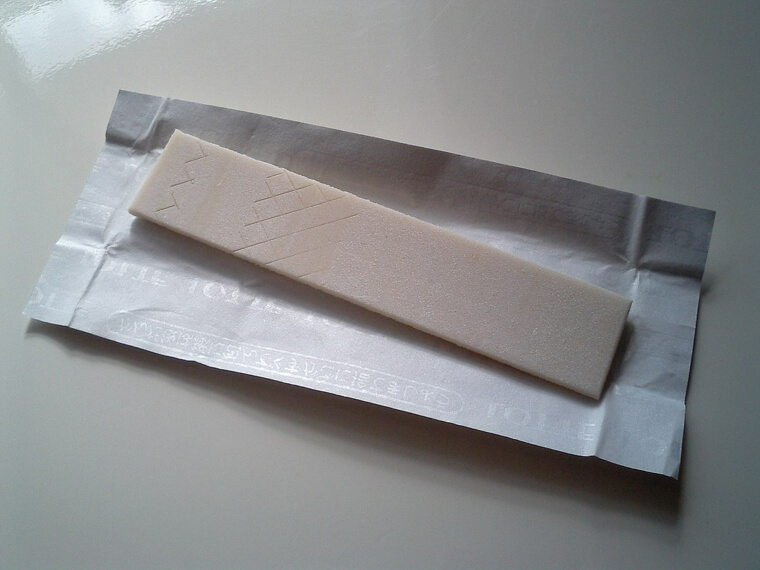
If you’ve ever been to Singapore, you’ll know that this country prides itself on being clean, cultural, and incredibly desirable. That’s exactly why they’ve banned anyone from chomping on chewing gum while they’re walking the streets. In fact, if you’re caught with chewing gum in Singapore you could have to pay a $100,000 fine or face up to two years behind bars.


Coffee Mate
Why? Dangerous ingredients
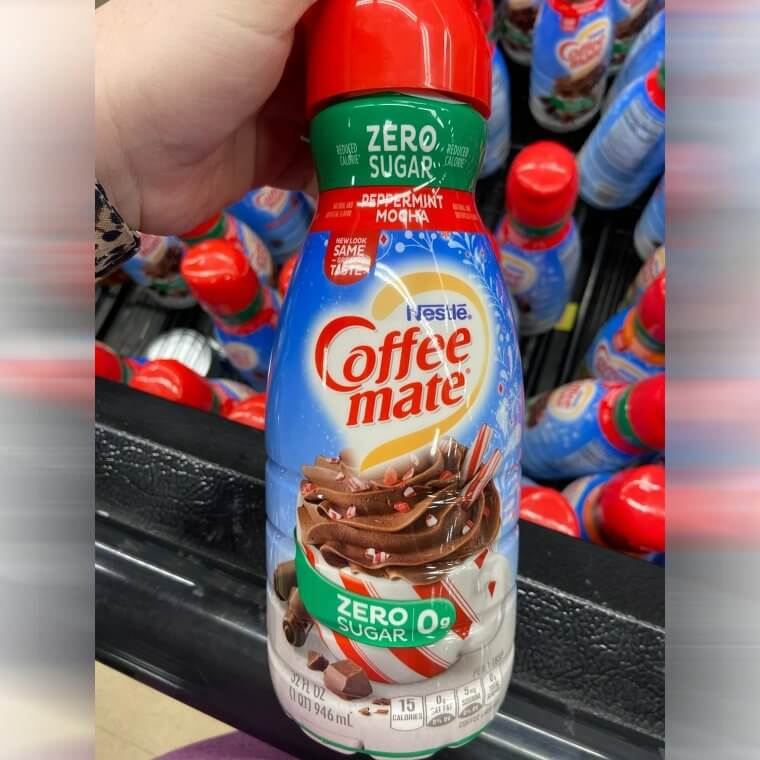
If black coffee and dairy don’t agree with you, Coffee Mate is a great alternative. This lactose-free powdered milk can be added to your coffee, adding a creamy taste and texture that can completely transform your morning cup of Joe. But do you know what Coffee Mate is made from? Well, it’s made from partially hydrogenated soybean compounds and cottonseed oils.


Rare Burgers
Why? Potentially high levels of bacteria
How do you like your burgers? Well-done? Medium? Medium-rare? Well, many people in the U.S. also love to eat a rare burger topped with their choice of condiments. And while some people cringe at the sight of blood coming from the burger, it seems as though some countries have gone one step further and banned rare burgers from their restaurants.

American-Made Sprinkles
Why? Dangerous ingredients
When you spend hours in the kitchen whipping up your own donuts or you buy a colorful cake with your groceries, there’s a high chance that you don’t give your sprinkles much thought. They’re just for added decoration and a bit of sweetness, right? Well, not quite. If you live in Great Britain, you might be interested to know that it’s illegal for retailers to sell anything with American-made sprinkles.

French Fries
Why? They contain azodicarbonamide
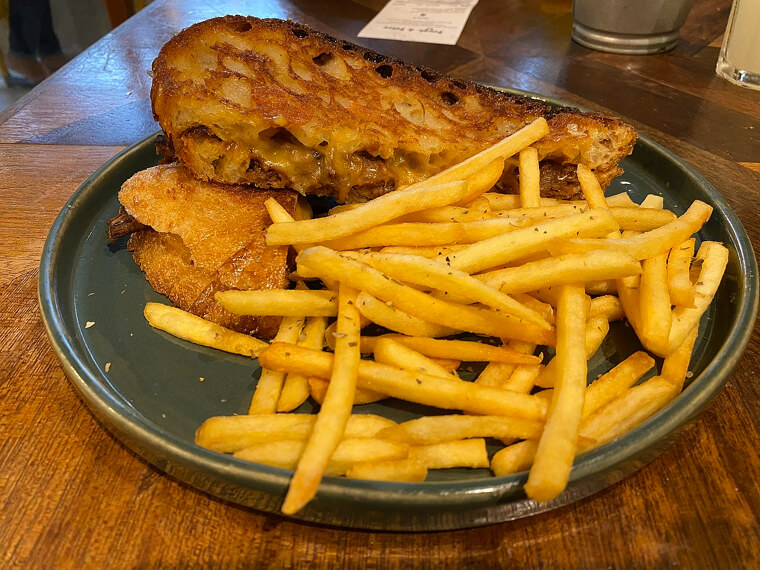
You’ll be happy to know that we’re not talking about all French fries. Instead, we’re talking about certain brands of French fries that can be shoved in the freezer and removed at a moment’s notice. And while these freezable fries are a godsend for people who struggle to cook a meal after work or those who are short on time, some brands contain a harmful ingredient.
Instant Mashed Potatoes
Why? Dangerous ingredients
If you love getting in the kitchen and cooking up a hearty dinner for your family, you could simply boil and mash your own potatoes. But sometimes, it’s just easier (and cheaper) to buy instant mashed potatoes instead. Of course, most people would assume that these would be made with potatoes and very few other ingredients, there’s a reason why countries in Europe, Japan and Australia have banned instant mashed potatoes.

Post Honey Maid S’mores
Why? Dangerous ingredients
American cereal is famed for being fun and unique, but that doesn’t mean that they’re healthy or safe for human consumption. In fact, most people love the taste of Post Honey Maid S’Mores and would happily eat them if they didn’t know what was in them. But when certain countries looked at the ingredients of this popular cereal, they decided to ban it.

Samosas
Why? Religious beliefs
Go to any Middle Eastern or South Asian country and you’ll find people cooking samosas in the kitchen or selling this popular food on the street and in restaurants. This tasty snack offers a pastry pocket filled with everything from ground meat to vegetables, and they’re extremely popular. However, you won’t find samosas in Somalia as the country has decided to ban them for religious reasons.

American-Made White Bread
Why? Dangerous ingredients
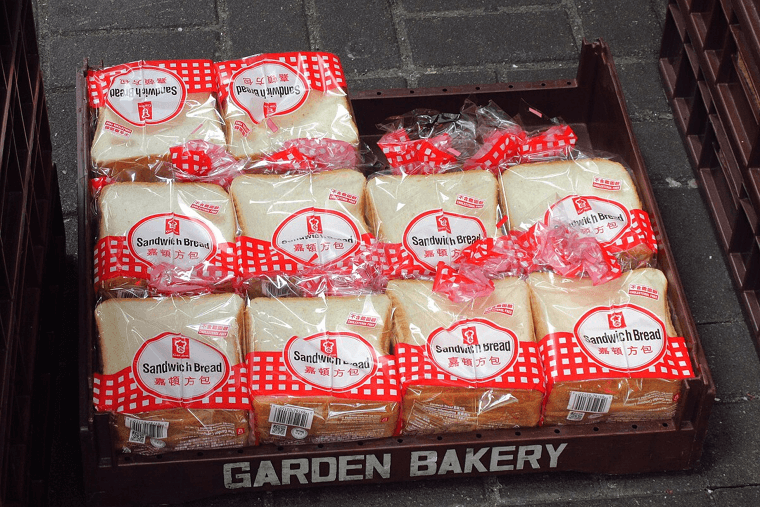
If you live in the U.S., there’s a high chance that you buy your groceries without really thinking about the ingredients within them. But it might interest you to know that many American-made products are banned around the world – and this is the case with American-made white bread. While this bread may seem like any other bread at first glance, the ingredients are a little different.
Ritz Crackers
Why? Dangerous ingredients
Ritz Crackers are famous across the world, and they’re often considered to be the most famous crackers out there. They’re particularly popular in the United States, but it’s rare to find these crackers in Europe due to one potentially harmful ingredient in them. But what ingredient is it? Well, Rtiz Crackers contain hydrogenated cottonseed oil, which has divided opinions over the years.

Soybeans
Why? Genetic modification
As more and more people embrace vegetarian and vegan diets, the need for soybeans has increased dramatically. In order to keep up with this demand, many farmers across the United States have turned to genetic modification to help them grow bigger and fast-growing crops. And while this works in their favor, this doesn’t necessarily work in favor of people eating them.

Mountain Dew
Why? Causes birth defects
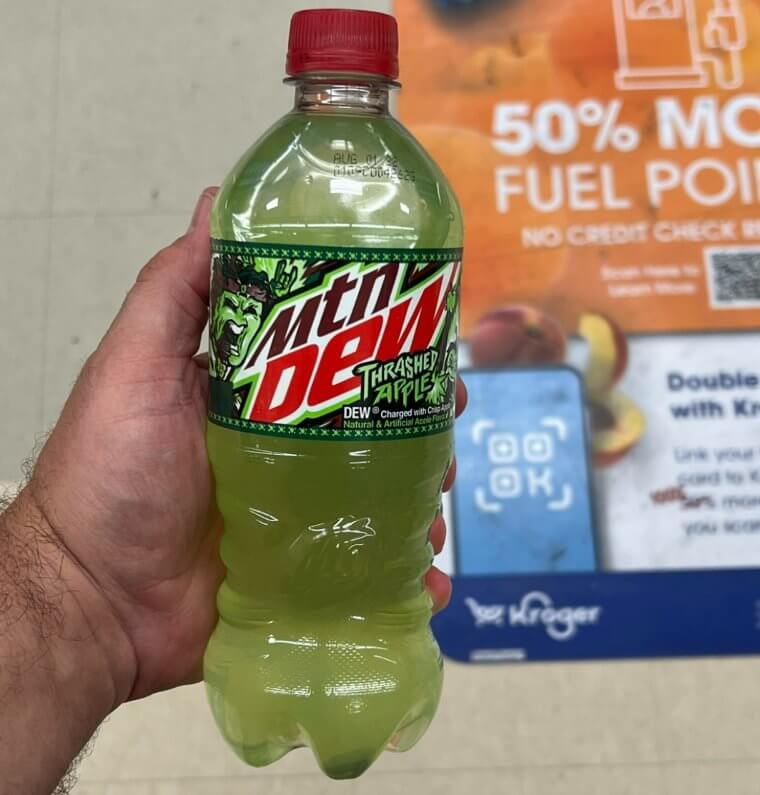
We’re going to go ahead and assume that you’ve drunk Mountain Dew at least once in your life. It’s one of the most popular drinks in America and is also famous across the globe. And while it’s not hard to find, you’ll struggle to find Mountain Dew in some parts of Europe and in Japan. These countries have banned the soft drink due to its dangerous ingredients.
Casu Marzu
Why? The fermentation process
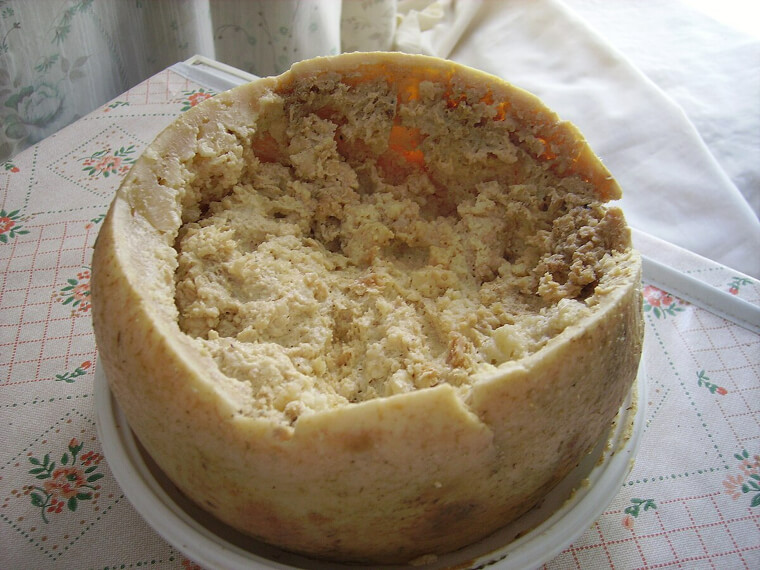
You can’t go wrong with cheese, right? Well, according to the U.S., you can. Casu Marzu cheese is banned in the U.S., despite the fact that many others worldwide can’t get enough of the hard pecorino cheese outer layer and the soft, creamy texture inside the cheese. But what you might not realize is that the cheese needs to go through a special fermentation process to get this unique texture.
Tostitos Salsa Con Queso Dip
Why? Contains dangerous food colorings
There’s no better snack than chips and dip, and many food lovers in the U.S. can’t get enough of Tostitos Salsa Con Queso Dip. And while most people love it due to its delicious taste, it’s fair to say that the look of this dip is also extremely appealing. After all, it’s so bright and vibrant! But this isn’t always a good thing.

American-Raised Pork
Why? It contains ractopamine
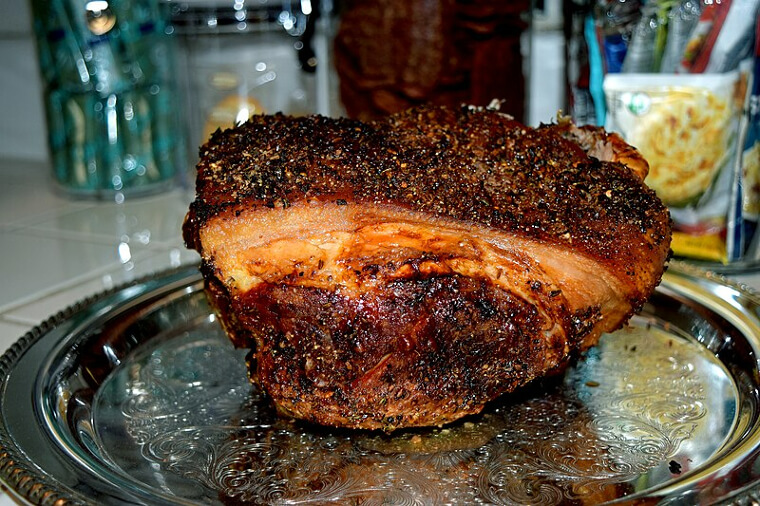
You can find pork in almost every country of the world. And while every country has their own rules and regulations regarding the care and treatment of the pigs and the production of the pork, it seems as though many countries don’t want anything to do with American-raised pork. That’s because pork from the U.S. is usually full of chemicals – including the dangerous ractopamine.
Betty Crocker Fudge Brownie Mix
Why? Dangerous ingredients
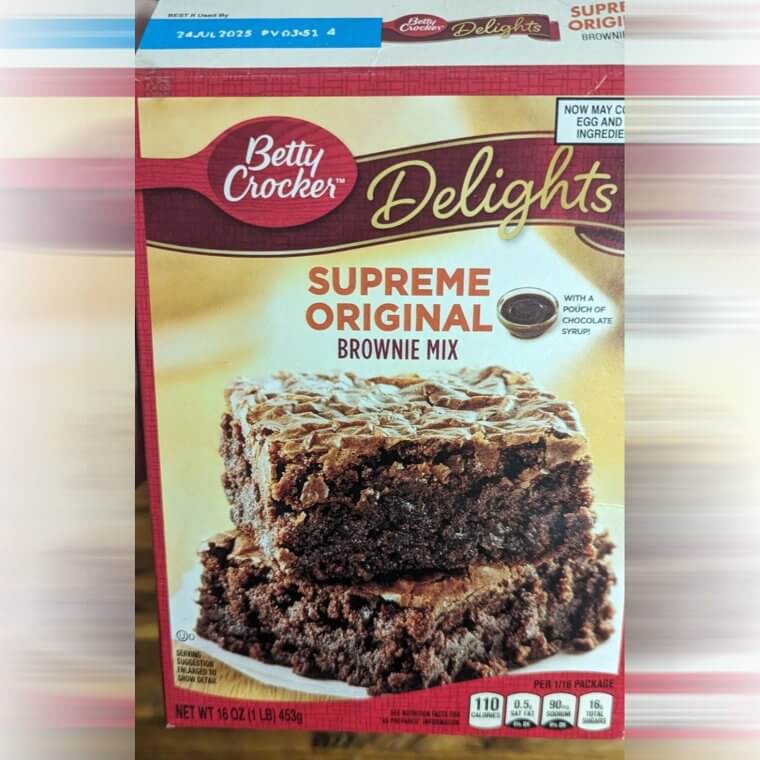
If you’re not someone to spend hours in the kitchen cooking up a storm and baking fresh cakes, then you’ve probably turned to Betty Crocker on numerous occasions. This brand is perfect for those who want homemade cakes and sweet treats without putting in too much hard work. And while Americans buy these mixes on a regular basis, the same can’t be said for Europeans.
Fresca
Why? Contains Bromine
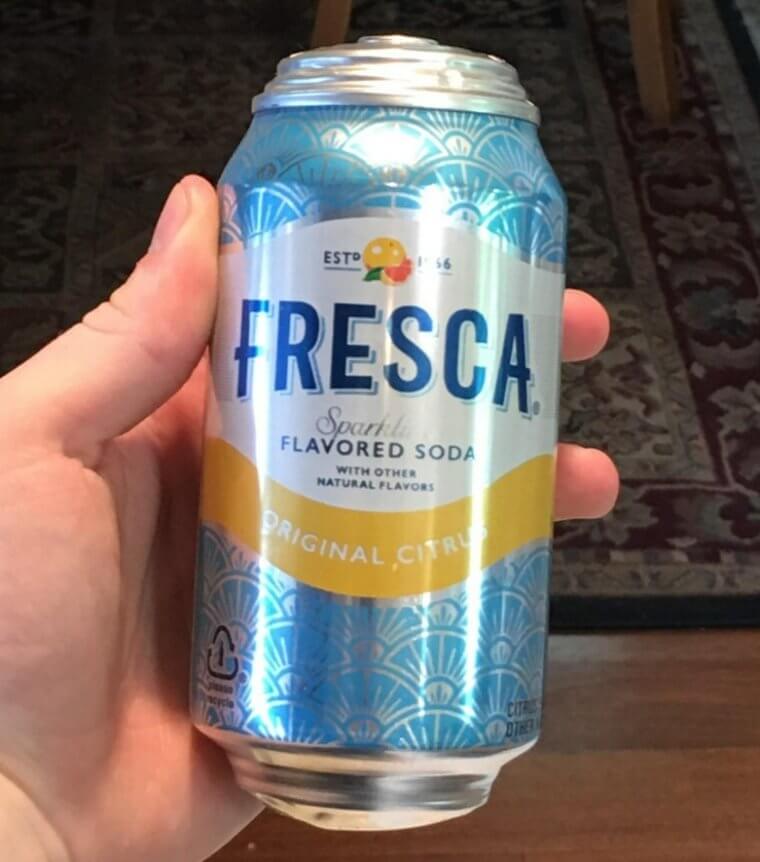
Although Fresca is extremely popular in the U.S., it’s fairly unknown outside of this country. In fact, most European countries have never heard of Fresca as it’s not allowed to be sold overseas. This is due to the fact that this citrus-flavored soda contains bromine – an irritable substance that has been known to cause burns, destroy human tissue membranes, and even trigger schizophrenia.
Hot Dogs
Why? Reduce obesity
Is there anything better than a hot dog covered in mustard and ketchup? And while you’ll find that the choice of condiments differs around the world, most countries have hot dogs in their grocery stores and in restaurants. This isn’t the case in the United Arab Emirates, though. After a 2014 study discovered that 14% of school-age children were overweight, a decision was made to ban hot dogs in schools.

Raw Milk
Why? Health concerns
Food trends come and go, with many claiming to have nutritional benefits. And while some people have found success and enjoyment in drinking raw, unpasteurized milk, you’ll struggle to find this drink in the UK, Canada, and some areas of the U.S. Yes, while there are certainly some health benefits to drinking raw milk – such as improved digestion – the health concerns ultimately outweigh the benefits.

Foie Gras
Why? Animal cruelty
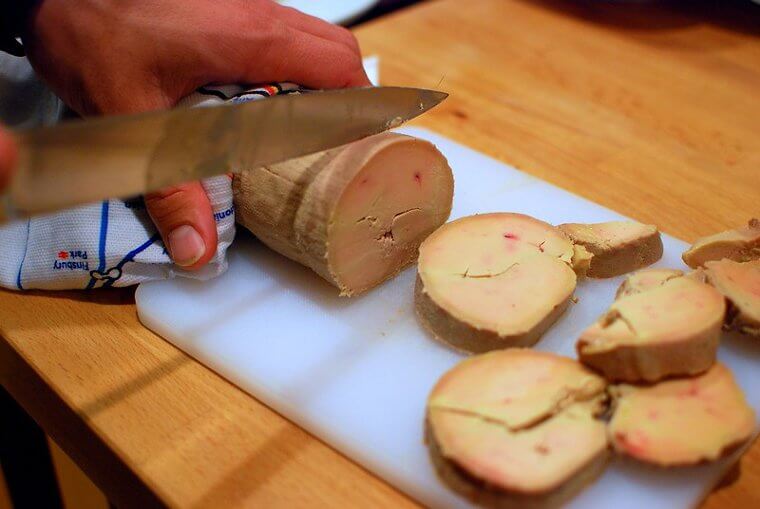
If you’ve ever watched a fancy cooking show or been to an expensive restaurant, you may have come across foie gras. But do you actually know that this food is? Well, foie gras is essentially duck liver – but it’s famed for being extra creamy and delicate. To achieve this texture, farmers force-feed the ducks twice a day for at least a fortnight before the ducks are then killed.
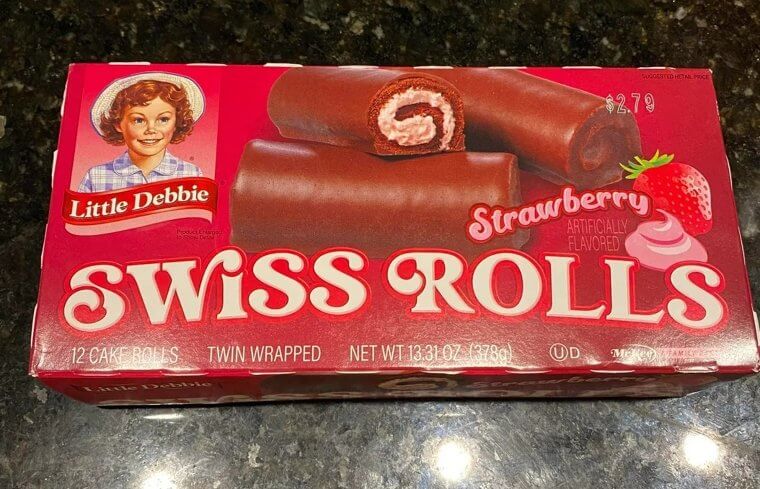
Little Debbie Swiss Rolls
Why? Dangerous food colorings
If you live in the U.S., there’s a high chance that you’re familiar with Little Debbie Swiss Rolls. This mixture of chocolate cake and cream seems like it would be simple enough in terms of ingredients, but the reality is that the ingredients are more complex than that. In fact, these Swiss rolls are full of dangerous food colorings called Yellow 5 and Red 40.
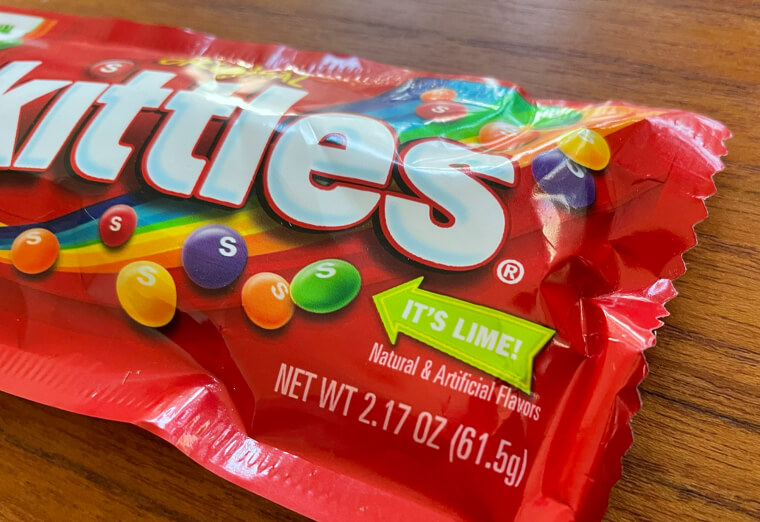
Skittles
Why? Dangerous artificial colors
If you love tasting the rainbow, there’s a high chance that you also love Skittles. This candy has been a fan-favorite for decades, but it should come as no surprise to learn that this candy is full of problematic ingredients. In fact, the inclusion of the artificial colors of Yellow 5 & Yellow 6 have led to Skittles being banned in Sweden and Norway.
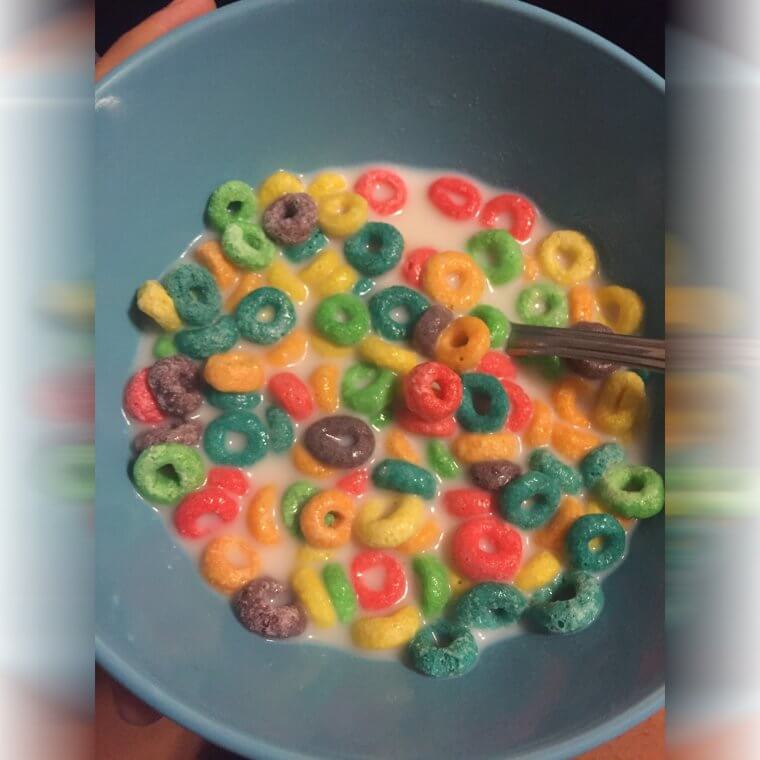
Fruit Loops
Why? Artificial colors
Many countries are now trying to limit people’s exposure to artificial preservatives and food colorings, which is why the popular cereal Fruit Loops has come under fire over the years. Although most kids want to try this colorful cereal out for themselves, the reality is that it’s not healthy at all. Not only is it full of cereal, but it’s also full of artificial colors and flavorings.
Durian Fruit
Why? The pungent smell
Most countries want their citizens to eat more fruit and vegetables for their nutritional value. And while fruits and vegetables are certainly important in Singapore, you’ll struggle to buy a durian fruit with the rest of your groceries. That’s because durian fruit isn’t like strawberries or apples. Instead, it’s earned the nickname of “the smelliest fruit” due to the pungent smell that comes from it.

Farm-Raised Salmon
Why? Health concerns
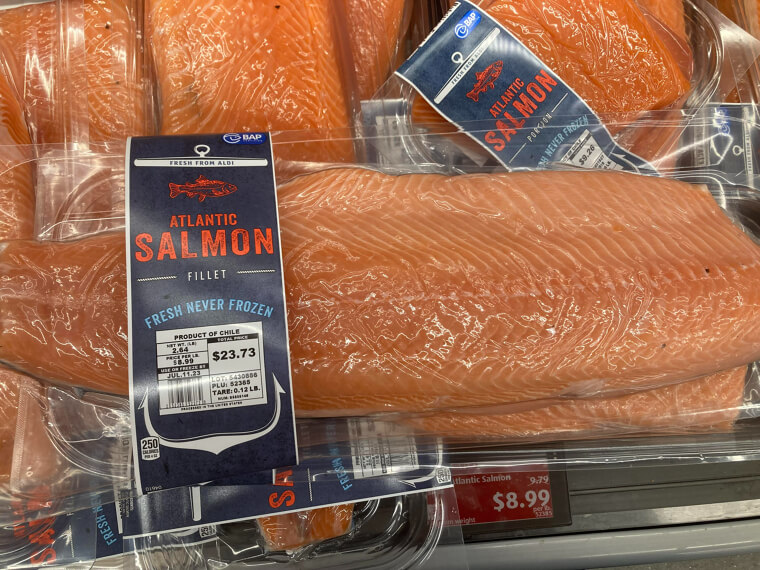
Salmon is one of the most popular fish to cook with, with many people around the world adding salmon to their grocery list and adding it to the other ingredients in their kitchen. But there’s a big difference between wild salmon and farm-raised salmon – especially in terms of their color and their nutritional properties. In fact, the health concerns associated with farm-raised salmon has led Australia and New Zealand to ban it altogether.
Beluga Caviar
Why? Conservation reasons
It’s safe to say that most people don’t buy caviar with the rest of their groceries, but caviar is still a popular high-end product across the world. It’s often reserved for Michelin-star restaurants and fancy hotels, and there are a few different types out there. But one thing you won’t find in the United States is Beluga caviar. Dubbed the ‘black gold’ option for caviar lovers, it’s a delicacy for many.

Pop -Tarts
Why? Dangerous food colorings
Pop-Tarts are an American institution. Often eaten for breakfast, dessert, or just as a snack, Pop-Tarts also come in so many different amazing flavors. And while most people are under no illusion that Pop-Tarts are healthy, it’s fair to say that most people don’t understand just how unhealthy they are. In fact, they contain so many dangerous food colorings that they’re banned in many European countries.

Boxed Pasta
Why? Contains azodicarbonamide
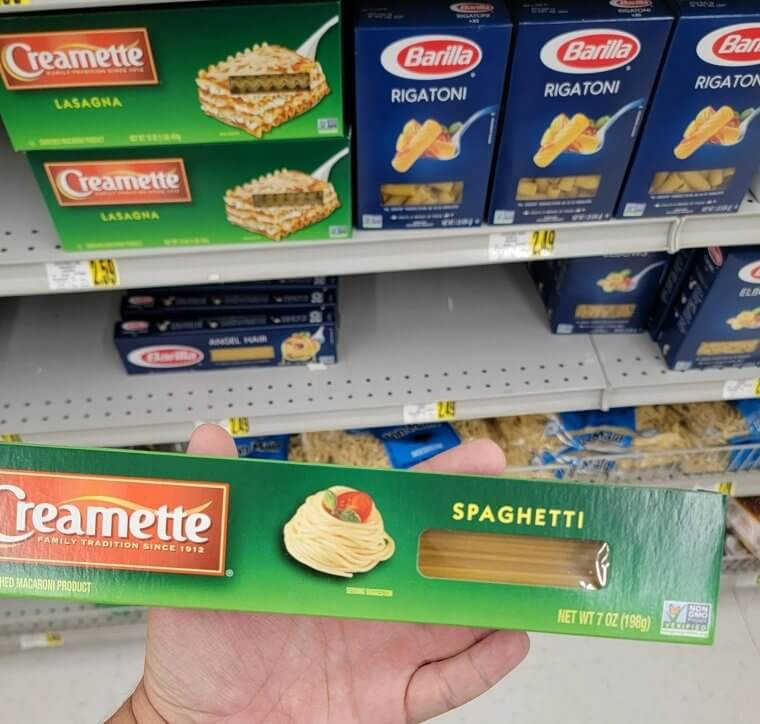
If you’re not a cook, boxed and packet foods can make your life so much easier. You can buy them alongside all of your other groceries, and whip them up for dinner in just a few minutes. But while they may be easy to make, boxed pasta kits also contain azodicarbonamide – and this has led to them being banned in Australia and countries within the European Union.
Frosted Flakes
Why? Contains BHT
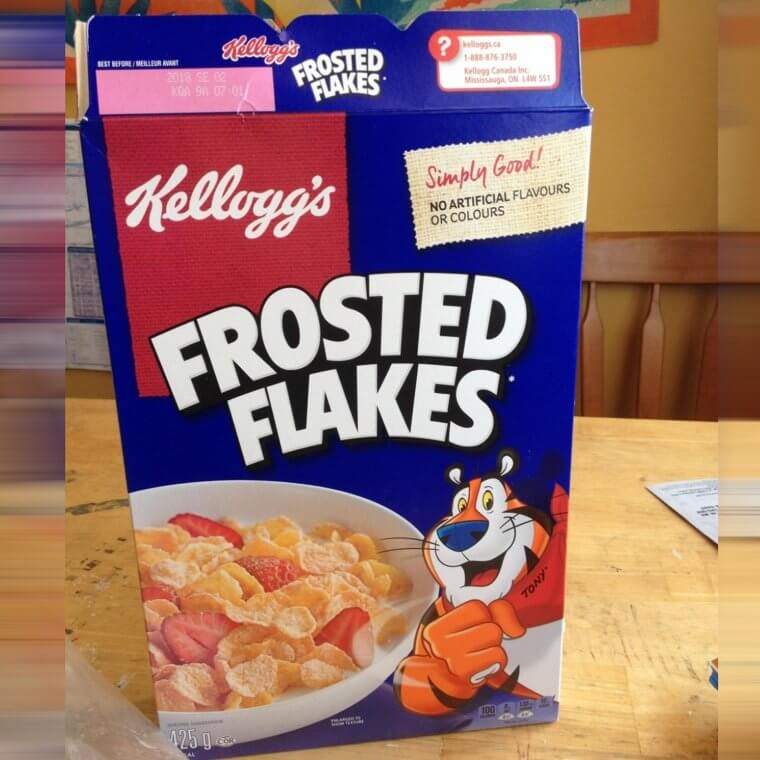
There are so many different breakfast cereals out there, but there’s no doubt about the fact that Frosted Flakes is one of the most popular. Many kids beg their parents to buy this cereal for them, and this is largely due to the fact that it’s filled with sugar. But that’s not the reason why Frosted Flakes have been banned in Japan and many countries of the European Union.
Haggis
Why? Breaks Department of Agriculture laws
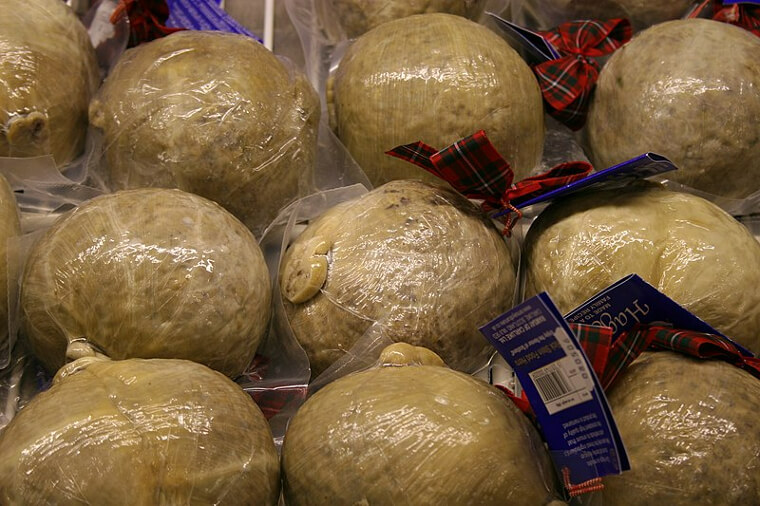
If you know anything about Scotland and Scottish people, you’ll know that they love haggis. In fact, it’s their national dish! And while they can’t get enough of the stuffed lungs and heart of a sheep, Scottish people will struggle to find this taste of home if they move to the United States. That’s because haggis has been banned completely in the U.S.
Black Pudding
Why? Sanitary concerns
Whether you know it as black pudding or blood sausage, there’s no doubt about the fact that this food is an acquired taste. An old-school British cuisine, this food is a mixture of oatmeal, barley, and the blood of a pig or a cow. That mixture is then stuffed inside the intestine of the cow and cut up like a sausage. You won’t be able to eat it in the U.S., though.

Kinder Surprise Eggs
Why? Choking hazard
Although the ban on Kinder Surprise Eggs was actually lifted in 2018, the fact that they were banned in the first place sparked a huge shift in the chocolate world. After all, Kinder Surprise Eggs were once one of the most popular candy options on the market thanks to the inclusion of a plastic egg with a toy inside of it. Then, it all changed.

M&M’s
Why? Branding conflict
Everything from their outlandish commercials to their wide variety of flavors has led M&M’s to become one of the most popular candies in the world. Most people have their own favorite flavor, and some even stock their kitchen cupboards with these delicious treats. But don’t try and find packets of M&M’s in Sweden, as you’ll be looking for a very long time and won’t have any luck.

Unpasteurized Cheese
Why? Bacteria risks
You probably don’t need us to tell you that the U.S. is full of cheese. If you head to the grocery store, you’ll be greeted with so many different cheeses you won’t know which one to choose. But have you ever noticed that there’s never any unpasteurized cheese on the cheese counter? That’s because it’s actually banned in the U.S. due to bacteria risks associated with it.

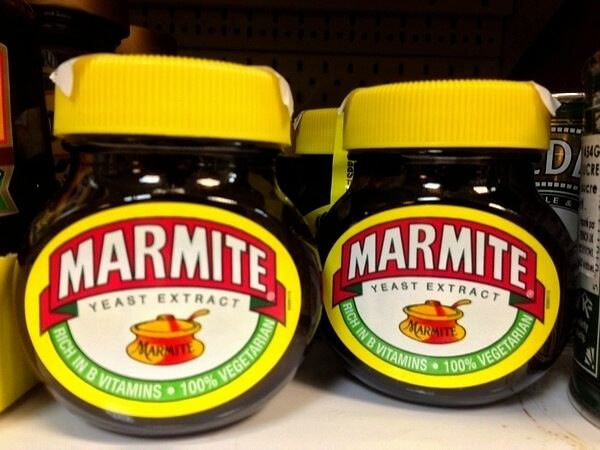
Marmite
Why? Harmful additives
If you’ve ever been to the UK, you may have come across Marmite. Similar to Australia’s Vegemite, Marmite is an acquired taste and something you either love or hate. But while many people love the rich yeast paste, it’s not quite made the same mark across the globe. This might have something to do with the fact that Marmite has actually been banned in Canada and Denmark.
Ketchup
Why? Cultural issues
Ketchup is one of the most popular condiments in the world. Go to any country, and you won’t have to search too hard to find some form of Ketchup on the shelves. And while you can buy Ketchup in France, Ketchup has been banned in French schools. Because of this, kids aren’t allowed to eat this condiment with their French fries at all.

Fugu
Why? Can be fatal
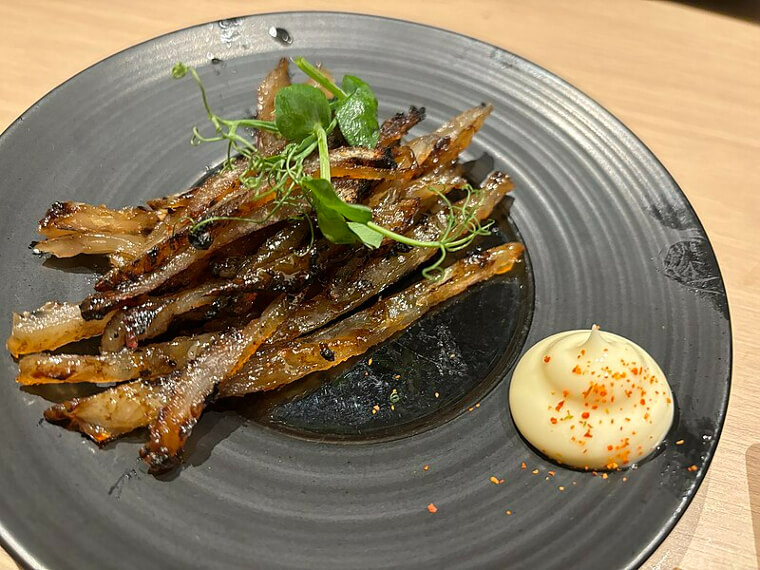
While undercooked chicken and meat can result in a bad case of food poisoning, undercooked fugu is a whole different ballgame. This pufferfish dish is so dangerous that it can kill you if not prepared properly, a unique trait made famous by a 1991 episode of The Simpsons. In fact, there are only a few chefs out there trained to prepare such a dish.
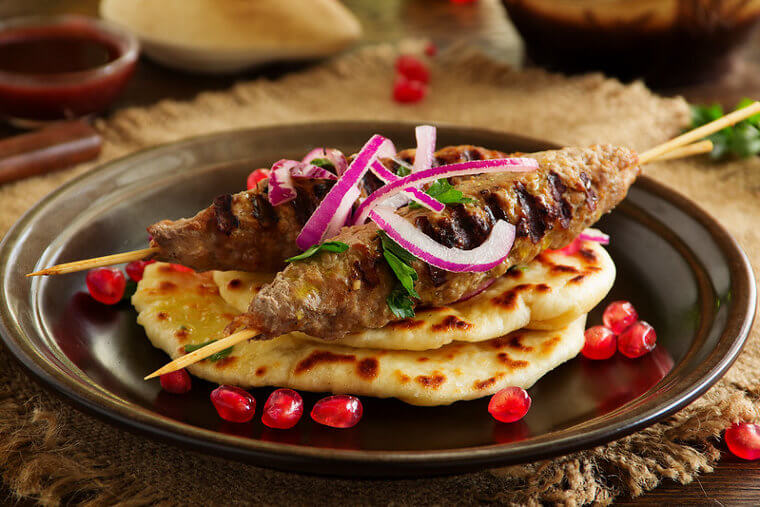
Kebabs
Why? Bad for their reputation
In many countries, kebabs are part and parcel of everyday life. These things are easy to be whipped up in the kitchen, and you don’t have to walk too far to find the nearest restaurant selling these sticks of meat and vegetables. But if you ever find yourself on the hunt for a kebab in Venice, you might want to stop looking as kebabs have been banned in Venice.
Halal and Kosher Meat
Why? Animal welfare violations
Although some religions require Halal and Kosher meat, you’ll struggle to find either of these meats in Greece. While the exact processes are different, they generally follow the same rules and involve slaughtering animals without stunning them first – a practice that is common for non-Halal and non-Kosher meat. Unfortunately, this is not something that has gone down well with the government of Greece.