
Although human imagination has been enthralled with lightning for millennia, there is much more to this fascinating occurrence than first seems. From its part in the formation of life to its possible future energy source, lightning still shocks and astounds both experts and amateurs. We’ll go over 15 amazing lightning facts in this post that you most likely never had heard of before. Nature’s most amazing light show will astound, astange, and enlighten you!
1. Lightning Creates Antimatter
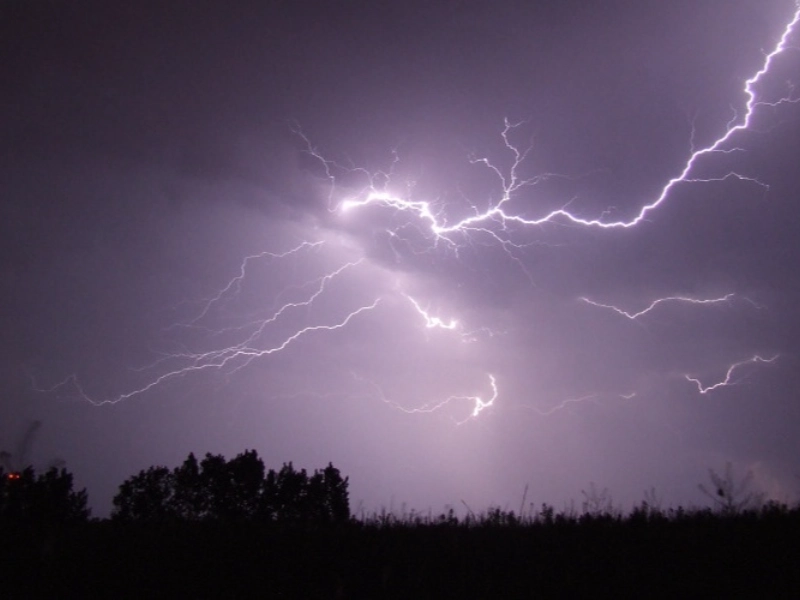
In a turn that appears out of science fiction, researchers have found that tiny amounts of antimatter are produced by lightning storms on Earth. Strong lightning strikes produce gamma ray that interact with the environment to produce positrons, the antimatter equal of electrons. This amazing discovery not only shows the great force of lightning but also offers a special chance to investigate antimatter without the necessity for costly particle accelerators. It is quite amazing that we live in a world where natural antimatter generation happens just over our heads and provides fresh directions for particle physics and atmospheric science investigation. These days, scientists are looking at how to use this phenomenon for useful purposes include creating fresh medical imaging methods or expanding knowledge of the early cosmos. The realisation of antimatter generation in lightning also begs interesting issues regarding the possible function of atmospheric electricity in the development of life on Earth and the likelihood of similar events on other worlds.




2. Lightning Strikes Can Turn Sand into Glass

When lightning strikes sand or soil, the extreme heat—which can reach temperatures hotter than the sun—can quickly melt silica and other earth minerals. Rapid cooling of this molten substance creates glass-like structures called fulgurites. Sometimes known as “petrified lightning,” these amazing structures can reach several feet down and branch out in complex patterns reflecting the path of the lightning bolt. As well as the composition of the soil at the striking site, fulgurites give geologists insightful analysis of the force and behaviour of lightning strikes. Both amateur collectors and researchers respect these natural glass sculptures for their scientific worth and beauty, which makes them a singular monument to the transforming force of lightning. Fulgurite research has advanced materials science and motivated fresh approaches for producing durable glass and ceramic materials. Furthermore, the study of fulgurites discovered in old geological formations provides hints on prior temperature conditions and the frequency of lightning strikes in prehistoric times, therefore helping to define Earth’s long-term climate trends.
3. Lightning Helps Plants Grow
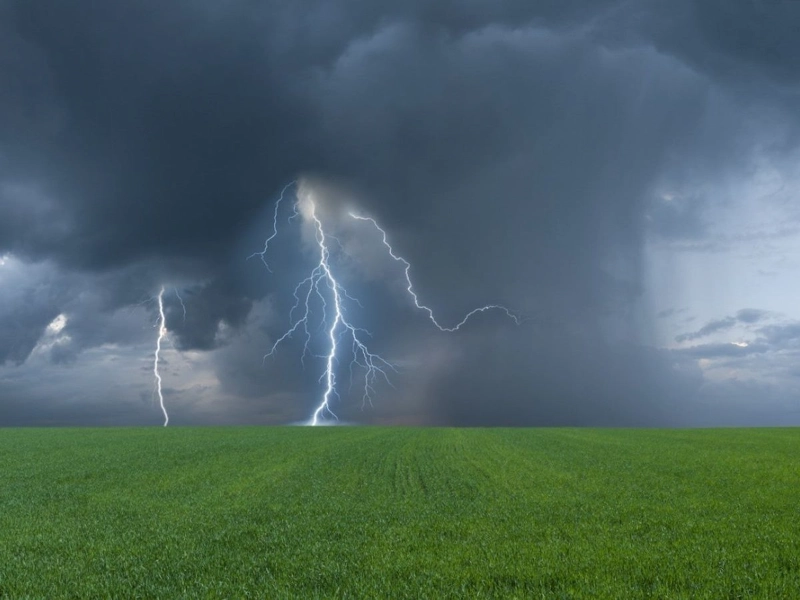
Surprisingly, plant nourishment and growth depend much on lightning in a twist of nature. Nitrogen oxides are produced when the great heat and electrical charge of lightning bolts mix with oxygen. These chemicals naturally fertilise by sinking into the ground as they disintegrate under rainfall. This process—known as nitrogen fixation—makes the vital nutrient more easily accessible to plants. Millions of nitrogen fertilisers are thought to be produced worldwide by lightning strikes, therefore greatly influencing the natural nutrient cycle. This phenomena emphasises the interdependence of the systems of Earth and shows how even strong natural occurrences can be favourable for the surroundings. Knowing this process affects management of ecosystems and sustainable development. These days, scientists are looking at ways to replicate this natural process to produce more ecologically friendly fertilisers and lessen reliance on synthetic nitrogen manufacture. Moreover, research on nitrogen fixation caused by lightning offers understanding of the possibility for life on other planets, where comparable atmospheric conditions could arise.
4. “Ball Lightning” Remains a Scientific Mystery
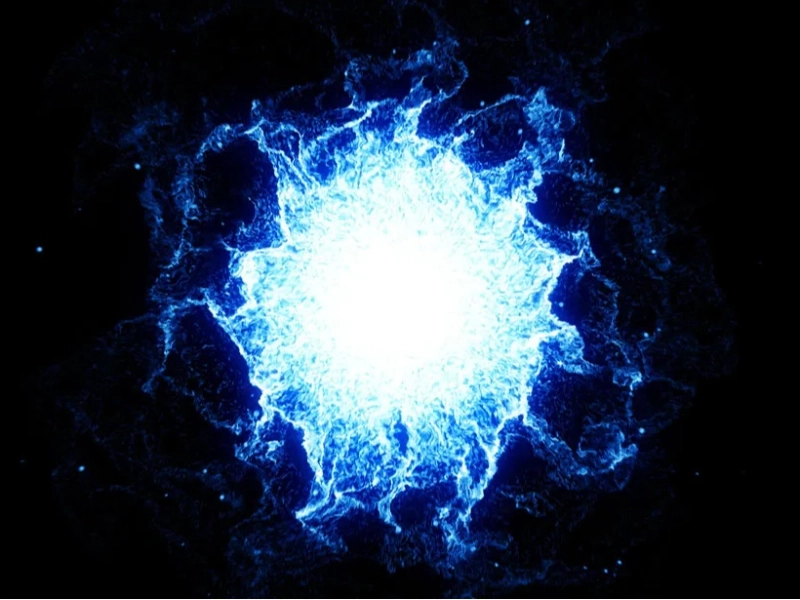
Although most types of lightning are clear-cut, ball lightning still baffles experts. From pea-sized to several meters in diameter, this rare and mysterious occurrence shows as brilliant, spherical orbs. Reportedly moving rapidly, passing through buildings, and sometimes exploding, ball lightning has Though many eyewitness reports from past times—including observations by eminent scientists—the precise nature and origin of ball lightning remain mysterious. Though no one theory has been generally accepted, the range of ideas is from plasma forms to hallucinations brought on by electromagnetic fields. The unexplained nature of ball lightning emphasises the limits of our knowledge of atmospheric electricity and keeps motivating scientific inquiry and conjecture. Some scientists suggest that formed when lightning strikes ground and vaporises silicon particles, ball lightning could be a type of nanobattery. Others propose it might be macroscopic manifestation of quantum events. Apart from stretching the limits of our understanding of atmospheric physics, ball lightning research has possible uses in plasma technology and energy storage.
5. Lightning Can Strike from the Ground Up
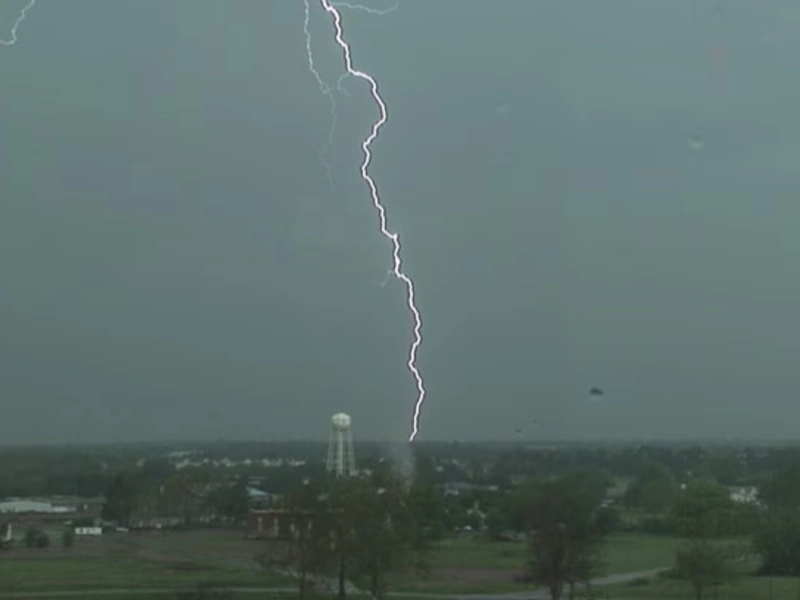
Against common assumption, not all lightning strikes start in the clouds and descend. Actually, around 5% of lightning strikes start from the ground and ascend. Usually arising from large buildings like skyscrapers, communication towers, or mountain tops, this phenomena—known as ground-to–cloud lightning or upward lightning—occurs The process starts when the electric field around these raised areas gets high enough to start an electron leader going upward. Then this leader completes the lightning strike by connecting with opposite charges in the cloud above. Designing efficient lightning protection systems for tall buildings depends on an awareness of this kind of lightning, which also affects the safety of industries including wind farming and telecommunications. As our cities get taller, upward lightning is becoming more frequent, possibly changing local weather patterns and raising the risk of lightning-related harm in metropolitan regions according to recent studies. With architects and engineers increasingly contemplating the possibility for upward lightning when creating tall structures, this discovery has resulted in fresh methods in urban planning and building design.


6. Lightning Strikes Can Trigger Nuclear Reactions
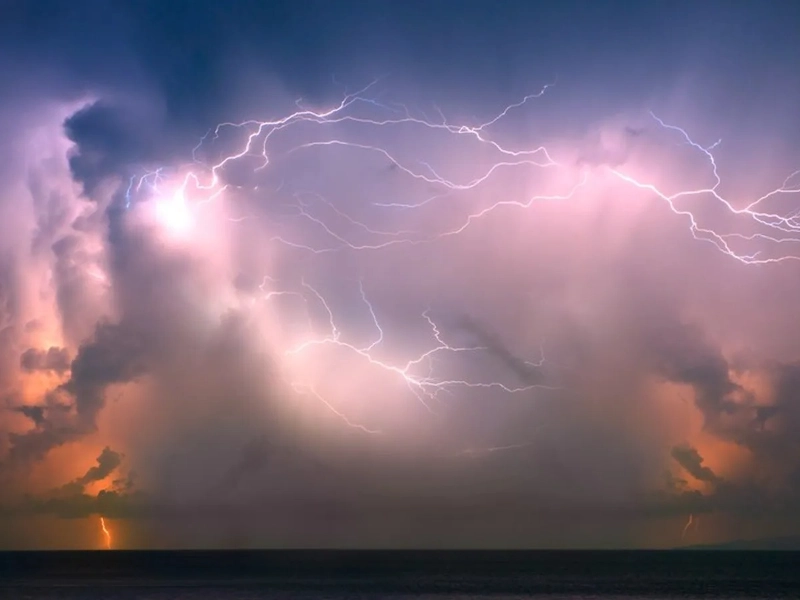
Scientists have shockingly discovered that the great energy of lightning strikes can actually set off atmospheric nuclear reactions. Photonuclear disintegration is the mechanism whereby lightning interacts with the nuclei of nitrogen and oxygen atoms in the air. Though in very minute amounts that represent no appreciable threat to human health, this process generates radioactive isotopes and neutrons. The result not only shows the amazing force of lightning but also offers a fresh instrument for researching atmospheric processes and the consequences of high-energy events on the surroundings of Earth. This finding creates fresh directions for study in nuclear physics, atmospheric science, and even the hunt for natural nuclear fusion reactions. Some scientists hypothesise that knowledge of these lightning-induced nuclear reactions might inspire fresh approaches for nuclear material detection or radioactive pollution cleanup. This phenomena also begs interesting issues regarding the possible function of lightning in the atmosphere of early Earth and its possible contribution to the synthesis of complicated organic compounds required for life.
7. “Sprites” and “Elves” Dance Above Thunderstorms

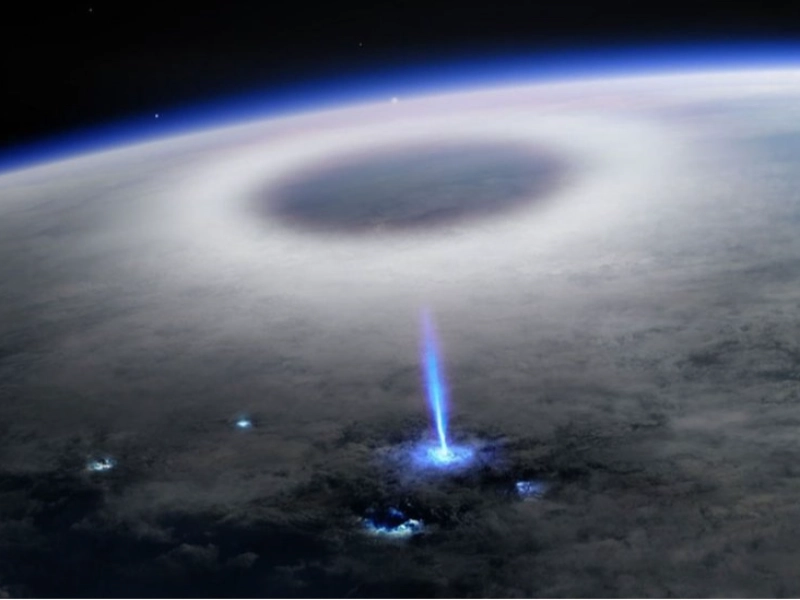
Ethereal and transient light displays known as sprites and elves arise high above the thunderclouds in the upper reaches of Earth’s atmosphere. Often shaped like jellyfish or columns, sprites are large-scale electrical discharges that show as reddish-orange flashes. Conversely, elves are fast spreading rings of light covering hundreds of kilometres. Though anecdotal evidence going back millennia, these events—collectively known as Transient Luminous Events (TLEs)—were only formally recorded in 1989. In the mesosphere and lower ionosphere, areas of the atmosphere challenging direct study, sprites and elves abound. Their discovery has transformed our knowledge of the worldwide electrical circuit as well as the intricate interactions among several levels of the environment. Investigating these upper-atmospheric lightning events affects climate research, space weather prediction, even the hunt for livable exoplanets. Some researchers hypothesise that sprites and elves may impact chemical reactions in the upper atmosphere or help to generate some kinds of clouds, therefore influencing Earth’s ozone layer and general temperature.
8. Lightning Can Produce X-rays and Gamma Rays
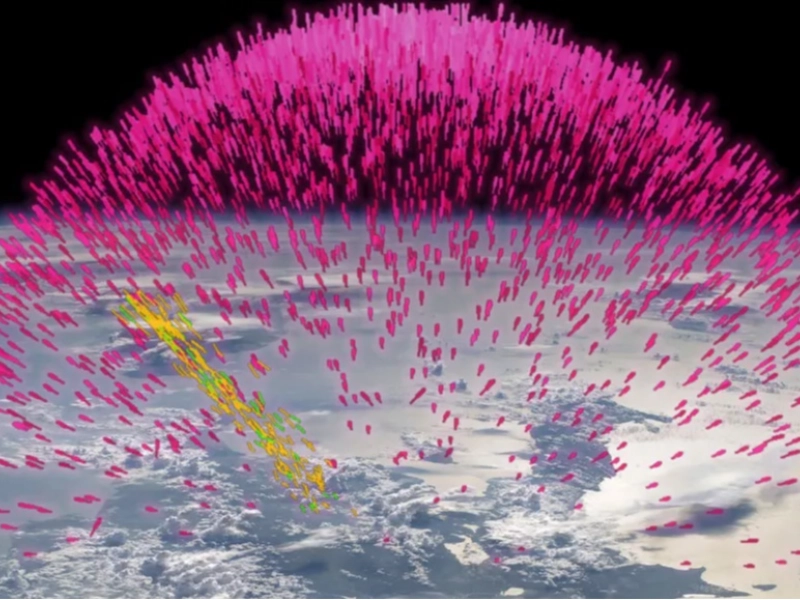
Researchers have found, in a discovery shocking the scientific world, that lightning bolts can produce bursts of X-rays and even gamma ray, the highest-energy kind of electromagnetic radiation. Originally discovered by satellites meant to track cosmic gamma-ray sources, this phenomena—known as terrestrial gamma-ray bursts (TGFs—is The knowledge of atmospheric physics and the possible hazards connected with strong thunderstorms depends much on the fact that lightning can generate radiation powerful enough to reach spacecraft. Though the precise process behind this high-energy radiation is yet unknown, it is thought to be related light speeds within the electric fields of thunderstorms. This discovery has opened up fresh avenues of research, including possible medical imaging or high-energy particle physics investigation using radiation produced by lightning. Moreover, knowing these terrestrial gamma-ray flashes could enable better safety precautions for spacecraft and aircraft as well as shed light on the cosmic ray generation in the universe.
9. Lightning Strikes Can Heal Trees
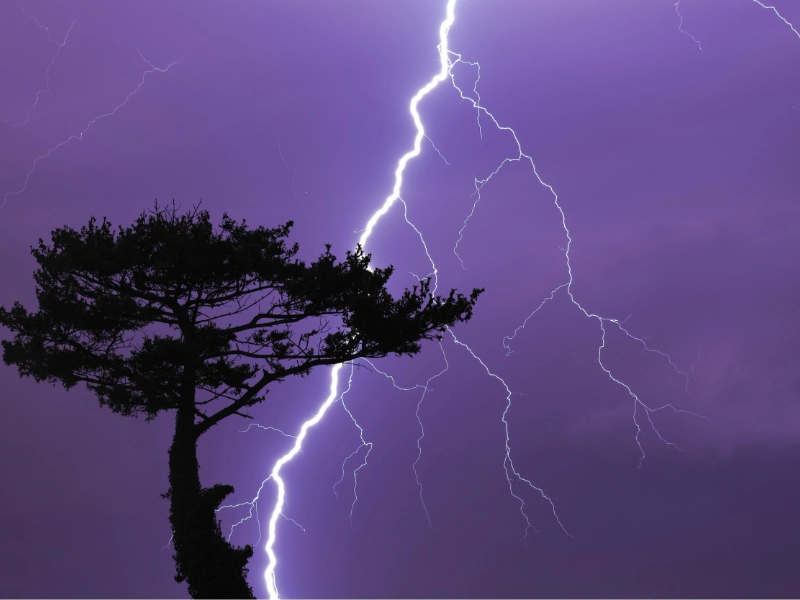
Although lightning is usually connected with destruction, new research shows a startling positive impact on trees. A superheated channel created by lightning striking a tree can inflict major damage through the trunk. But this same procedure can also sterilise the impacted region, eradicating dangerous fungus and bacteria that might otherwise compromise the tree’s condition. The great heat can also cause the sap of the tree to boil and swell, producing pressure that drives out invading insects and their larvae. Sometimes by removing pests and diseases, this natural “fumigation” mechanism might actually help the tree live for longer. Scientists are investigating this phenomena presently in order to create fresh, eco-friendly approaches for treating sick trees and defending forests from invading species. This finding questions our ideas of what constitutes “destructive” forces in nature and emphasises the intricate and sometimes surprising ways in which natural events could affect ecosystems.


10. Lightning Occurs on Other Planets
Not unique to Earth, lightning has been recorded on several different worlds in our solar system, each with intriguing properties. Massive lightning bolts up to three times more potent than Earth’s fiercest strikes illuminate Jupiter’s tumultuous atmosphere. While on Saturn lightning storms might last months, encompassing areas greater than the continental United States, Venus encounters lightning in her thick, corrosive clouds. Even on Mars, with its thin atmosphere, dust storms can create electric fields strong enough to produce lightning-like discharges. Researching lightning on other worlds offers important new perspectives on atmospheric dynamics, cloud development, and the possibility for life outside Earth. These findings also enable researchers to better grasp the conditions required for lightning to strike, therefore supporting the forecast and reduction of extreme weather events on our own planet.
11. Lightning Can Create New Chemical Compounds
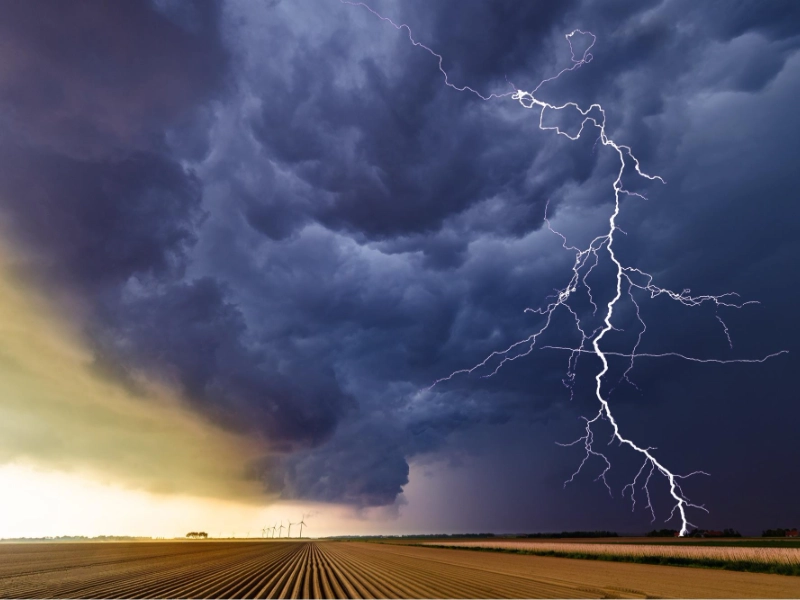
The very harsh circumstances produced by lightning strikes might cause unusual chemical compounds not usually found in nature to develop. Lightning may split molecules in the air and recombine them in fresh ways. For instance, lightning has been found to generate appreciable levels of ozone, a chemical essential for shielding Earth from damaging UV rays. Furthermore, lightning can produce nitrogen oxides, which are both part of the nitrogen cycle necessary for plant development and help to generate acid rain. Under more extreme conditions, lightning strikes in specific environments can even generate intricate organic compounds, which leads some researchers to hypothesise about lightning’s possible contribution in the beginning of life on Earth. Now under investigation for possible commercial uses including the development of novel approaches for synthesising important molecules or treating atmospheric pollutants is this chemical-creating capacity of lightning.
12. Lightning Follows Unpredictable Paths
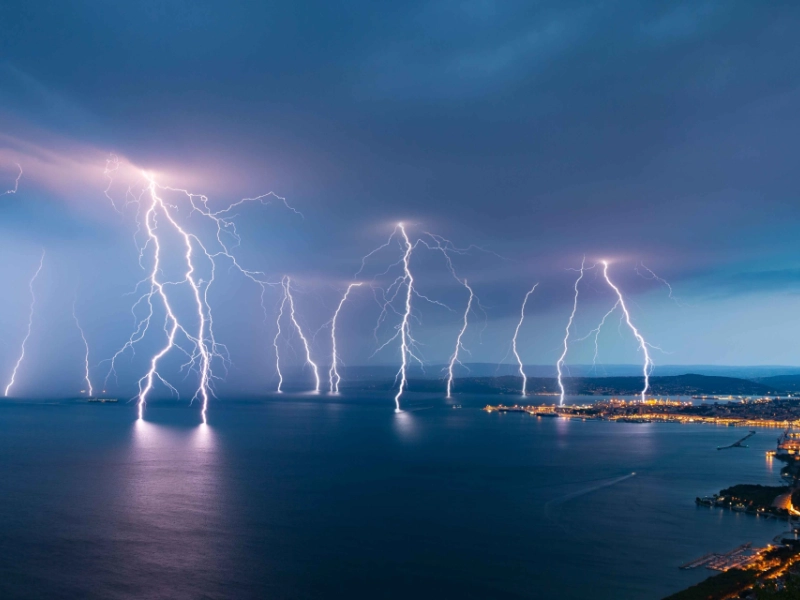
Against the common wisdom, lightning may and usually does strike the same spot twice. A complicated interaction of electrical charges, air density, and conductive material present defines the route of a lightning bolt. Though isolated items and lofty buildings are more likely to be struck, the precise course of lightning is still somewhat erratic. The chaotic character of the electrical breakdown process in the air accounts for this variability. Little changes in air composition, temperature, and humidity can affect the path of least resistance the lightning leader pursues from the cloud. This natural unpredictability makes it difficult to forecast exactly where lightning will strike, therefore complicating efforts to shield buildings and people from damage. But knowing the elements affecting the route of lightning has helped to enhance lightning protection systems and finds use in disciplines ranging from electrical engineering to chaos theory.
13. Lightning Can Trigger Volcanic Eruptions
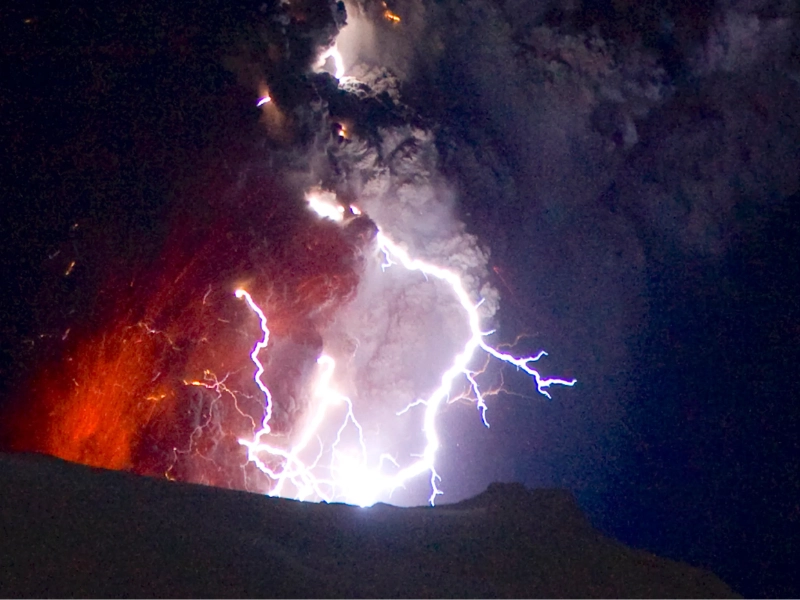
Volcanic eruptions have been recorded to be triggered or exacerbated by lightning in a dramatic interaction of natural forces. The electrically charged ash and gas released from volcanoes during explosive eruptions can provide amazing lightning displays inside the eruption plume. This volcanic lightning can then help to intensify the eruption and produce additional fragmentation of ash particles. By means of vital data on ash cloud height, density, and movement, the electrical activity connected with volcanic lightning also aids in monitoring and research of eruptions. Certain kinds of volcanic rocks could potentially be formed in part by lightning, some scientists even hypothesise. This amazing interaction between geological and atmospheric processes emphasises the connectivity of Earth’s systems and provides fresh directions for research on both lightning and volcanic activity.


14. Lightning Strikes Create Radiocarbon
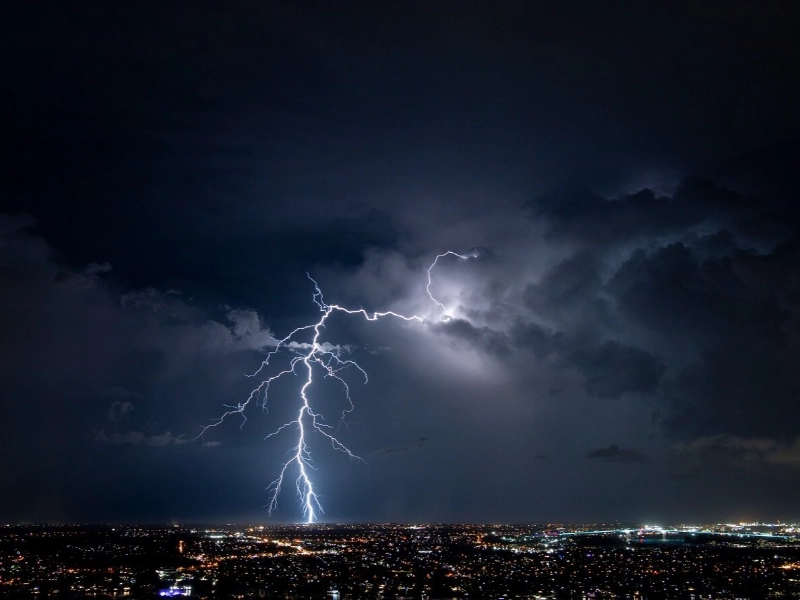
Every time lightning strikes, the atmosphere generates a tiny quantity of radiocarbon, sometimes known as carbon-14. This happens when the powerful energy of the lightning bolt splits nitrogen atoms in the air and recombines with atmospheric carbon to create radiocarbon. Although the total effect of billions of lightning strikes occurring worldwide each year greatly influences the natural background levels of radiocarbon on Earth, even the miniscule quantity generated by one lightning strike. Radiocarbon dating, a method used by archaeologists and geologists to ascertain the age of biological materials, depends critically on this process. Knowing how lightning contributes to radiocarbon generation enables researchers to improve their dating techniques and offers understanding of previous climate conditions and lightning activity. Furthermore, research on this phenomenon could provide fresh approaches to follow atmospheric processes and grasp the global carbon cycle.
15. Lightning Could Be Harnessed as an Energy Source
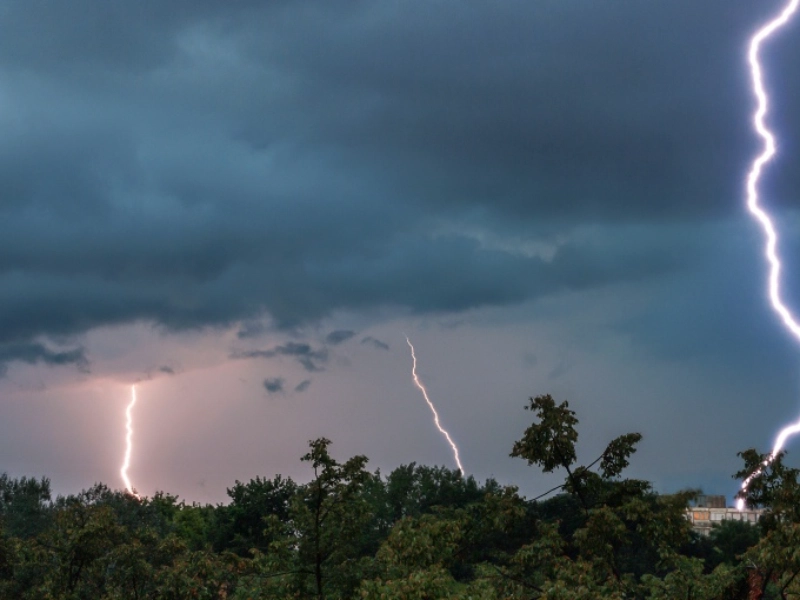
Some researchers are looking at using lightning’s great power as a substitute energy source as the globe looks for sustainable alternatives. Though the concept seems far-fetched, it is an interesting possibility given the immense power contained in one lightning bolt—enough to run a sizable town for a day. Modern studies concentrate on ways to gather and save the energy from lightning strikes, maybe using tall buildings furnished with supercapacitors or other energy storage systems. The possible advantages are great even if major technological obstacles still exist: the erratic character of lightning and the difficulties of effectively extracting its energy. Should success be achieved, lightning gathering could offer a clean, renewable energy source to augment current green technology. Although the actual use of lightning energy collecting is still far off, research in this field is generating advances in atmospheric science, high-voltage engineering, and energy storage. Even if direct energy capture proves impractical, the knowledge obtained from these experiments could lead to enhancements in lightning protection devices, grid stability during storms, and our general understanding of atmospheric electricity. Understanding how to engage with and maybe use this strong natural phenomenon becomes ever more important for our energy future as climate change can disrupt world lightning patterns. Ultimately, with its complexity and broad consequences, lightning still astounds and surprises us. From generating antimatter and starting nuclear reactions to maybe providing future energy sources, lightning shows the complex and often surprising ways in which natural events influence our planet. Deeper exploration of the secrets of lightning not only increases our scientific knowledge but also provides insightful information that might inspire technical innovations and a better awareness of the fragile equilibrium of our earth. Whether it’s creating glass sculptures in the sand, fertilising plants, or dancing in ethereal displays high above the clouds, lightning continues to be one of nature’s most fascinating and instructive spectacles, always reminding us of the incredible force and beauty of the natural world.